
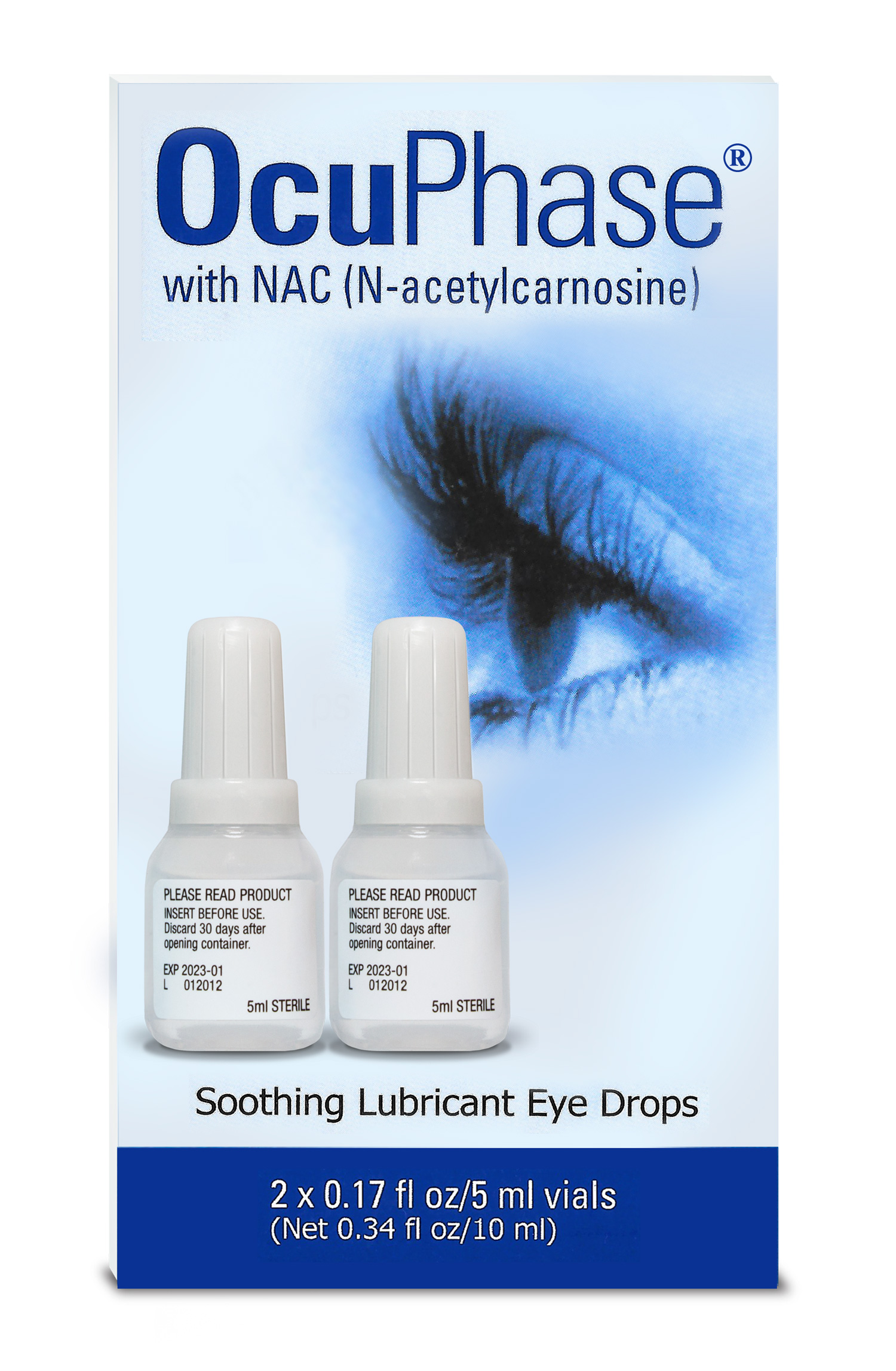
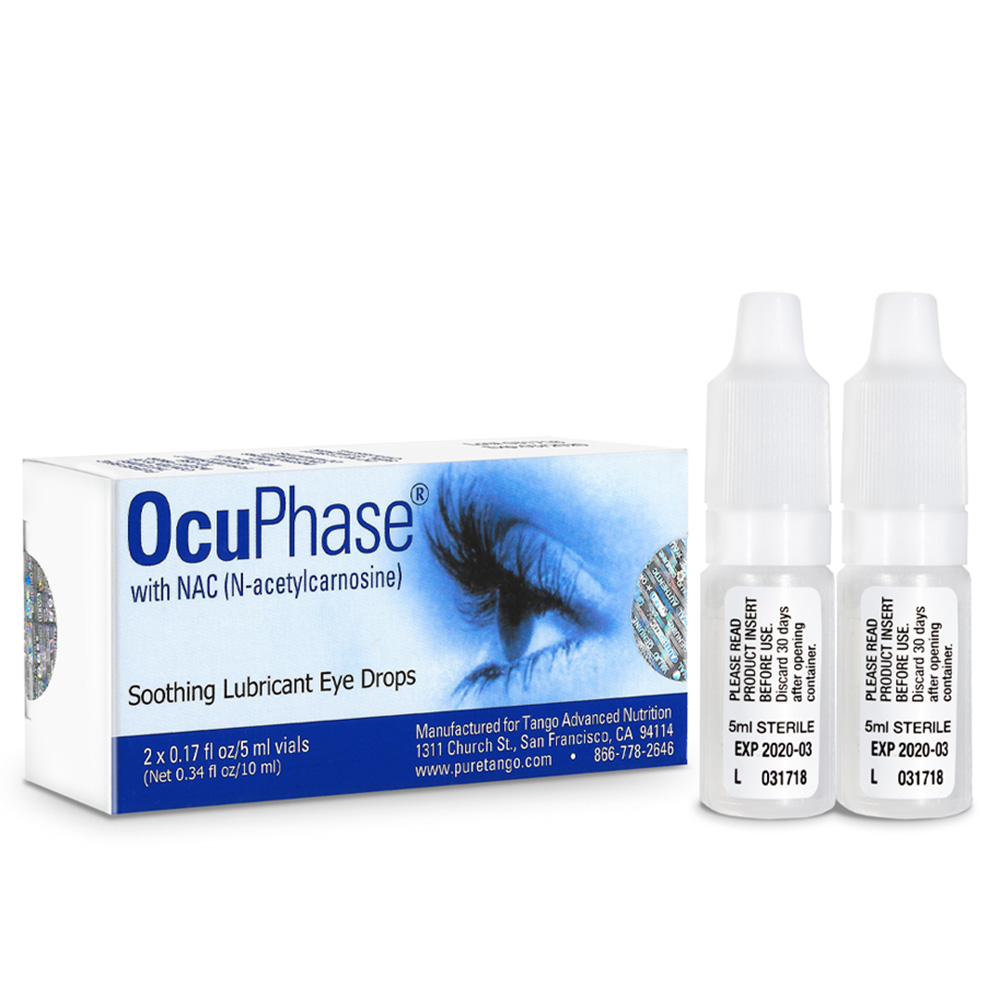
OcuPhase Eye Drops, Two 5mL Vials
Soothing, Lubricating Eye Drops
- Helps lubricate eyes throughout the day
- Supports comfort from environmental irritations
- Protects against further eye irritation for healthy, comfortable eyes
- New Vials: Redesigned for ease of opening and use
In stock
$39.95
In stock
FAQs
What is the recommended daily use of OcuPhase?
Instill 1 or 2 drops in the affected eye(s) as needed.
How long will a box with two vials last?
Each box of OcuPhase contains two resealable vials containing a total of about 200 drops. When using 2 drops per eye twice per day a box will last up to 6 weeks. If you use the drops several times per day a box will last 3 to 4 weeks.
Can I use OcuPhase for my dog’s eyes?
Yes, OcuPhase is safe for dogs.
Can children use OcuPhase?
OcuPhase eye drops are not recommended for children under the age of 12 years.
What if I experience any discomfort when using OcuPhase eye drops?
If the eye tissue becomes more inflamed, red, irritated or uncomfortable after using this product, immediately discontinue use and consult an eye physician if necessary.
Directions
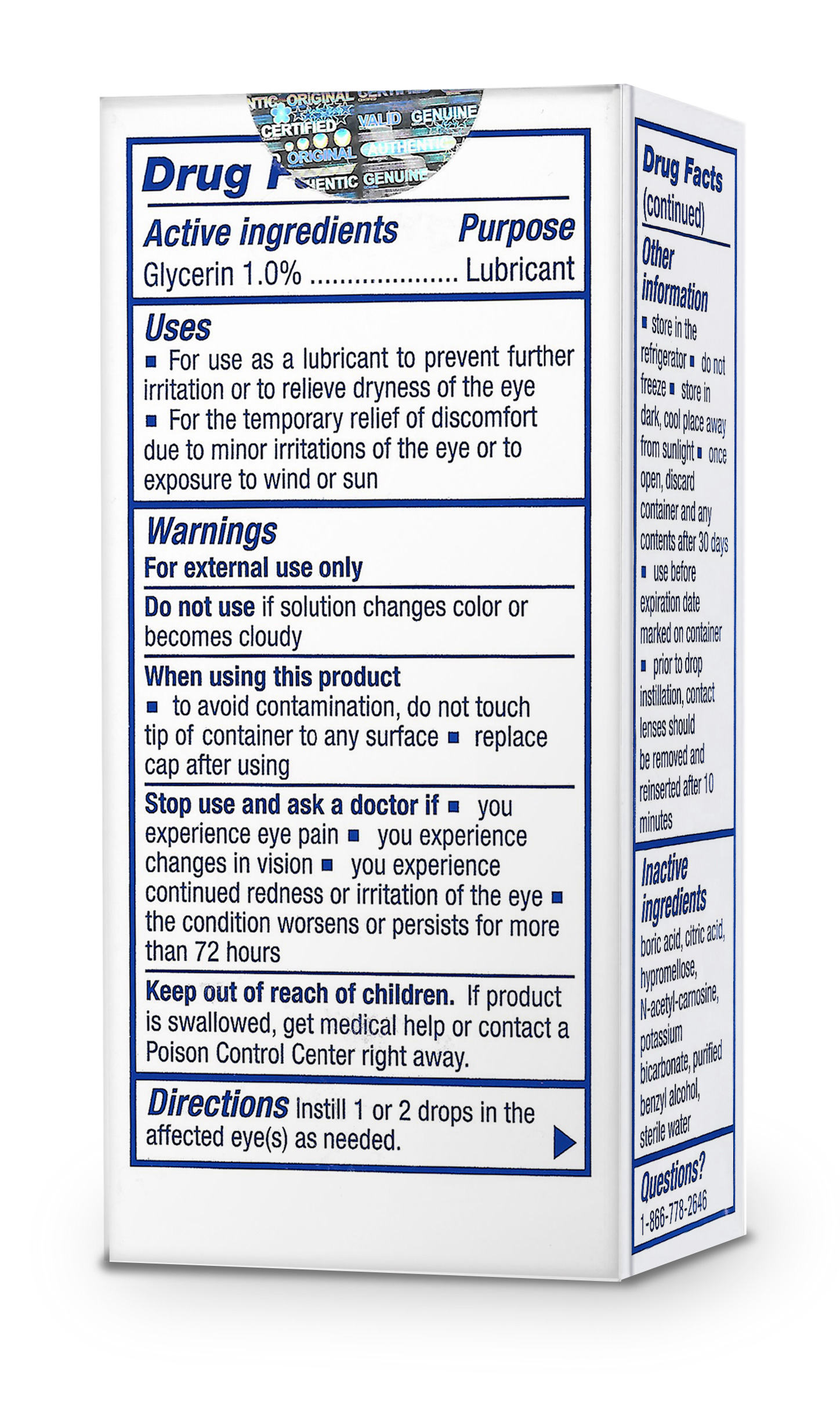
For use as a lubricant to prevent further irritation or to relieve dryness of the eye.
For the temporary relief of discomfort due to minor irritations of the eye or to exposure to wind or sun.
Instill 1 or 2 drops in the affected eye(s) as needed.
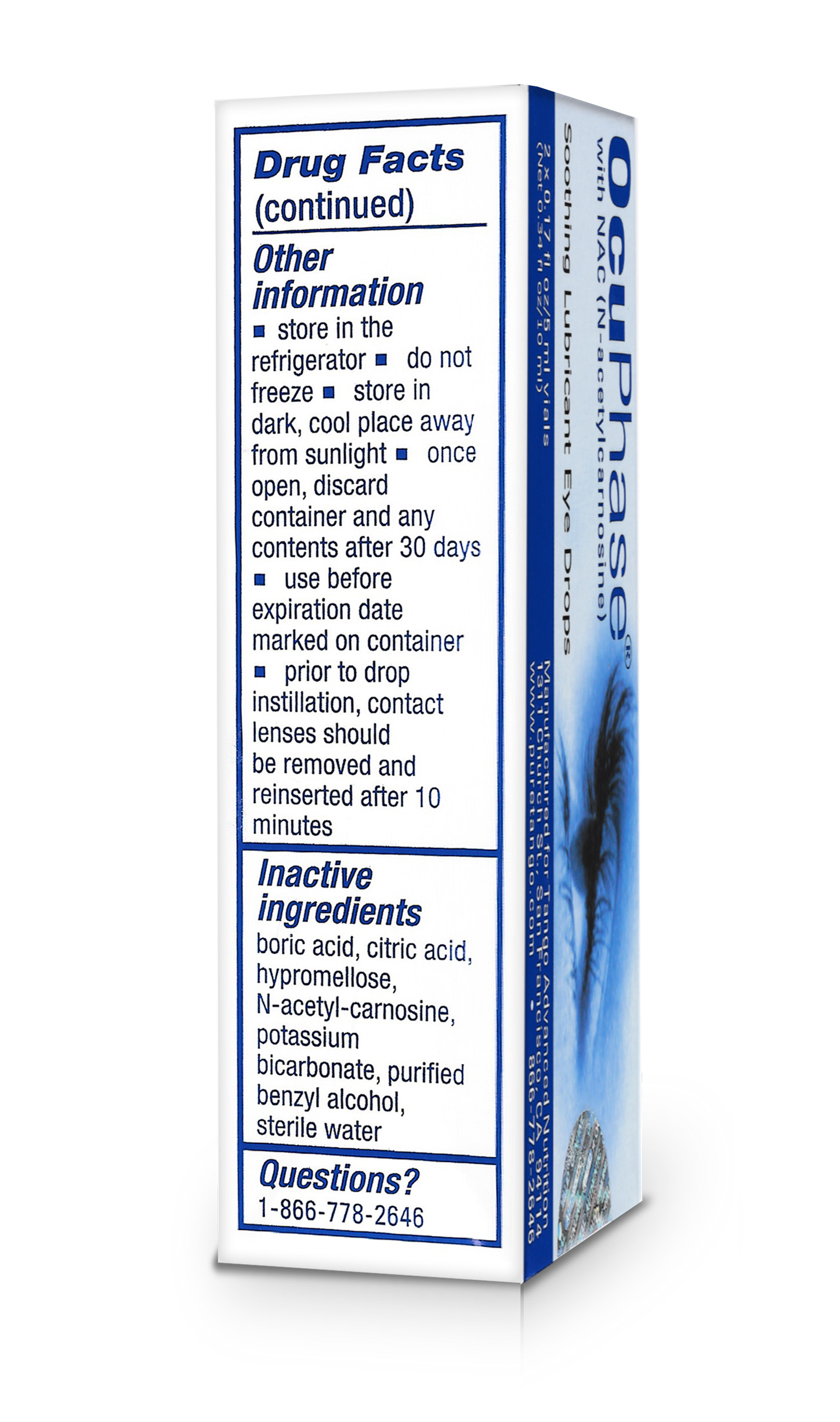
Open and use 1 vial at a time. Refrigerate opened vials. Use the opened vial within 30 days and then discard. Do not freeze.
Warnings
- For external use only
- If you experience eye pain, changes in vision, continued redness or irritation of the eye, or if the condition worsens or persists for more then 72 hours, discontinue use and consult a doctor.
- To avoid contamination, do not touch tip of container to any surface.
- Replace cap after using.
- Do not use if seal is broken.
- If solution changes color or becomes cloudy, do not use.
- Keep out of reach of children. If product is swallowed, get medical help or contact a Poison Control Center right away.
Ingredients
| Active Ingredients: Glycerin (lubricant) 1.0%
Inactive Ingredients: boric acid, citric acid, hypromellose, N-acetyl-carnosine, potassium bicarbonate, purified benzyl alcohol, sterile water. |
359 reviews for OcuPhase Eye Drops, Two 5mL Vials
-

For Mom
My mom is 73 now and we have gotten her off all the chemical meds she was on and now working on her sight. She says she sees more clearly when she is working on her computer or watching her shows. I started her on the drops at the first of the year and she is living it. Thank you for the great product.
April 24, 2024Verified Review -
OcuPhase
One of the first things I noticed after using OcuPhase was looking into the bright sun, my eyes didn’t hurt any more. I still don’t like the brightness but my eyes don’t hurt. Amazing!
March 22, 2024 -
Catarack Prevention
I have been using these Tango eye drops for about 2 years! Love the new packaging as it has improved bottle that is easy to use! Thanks for always being available to call in and ask questions about use and traveling with bottle without refrigeration etc…
Thanks for making such a great product! JTMarch 19, 2024Verified Review -
cataracts prevention
New packaging is much appreciated as now easy to use as puncturing of the bottle is now easily working! Thanks for a great product! Relieves dry eye and eye irritations too!
February 24, 2024Verified Review -
OcuPhase Eye Drops
This Product Is: without, exception: the Very Best: that I am Aware Of; it does, Precisely; as, Advertised ! Thank You: Pure Tango. !
February 21, 2024 -
MY NUMBER ONE CHOICE
Awesome to the end!
January 27, 2024 -
Great product
The more I use this, once a day, keeping eyes closed for 1.5 minutes before opening, the better my eyes are responding. And no scratchiness. Great product!
January 4, 2024Verified Review -
Good Product
I’ve had irritation in the left eye for a long time, and it seems to be going away.
October 12, 2023Verified Review -
ocuphase
Its a very good product and I recommend it .
July 25, 2023 -
AWESOME SAYS MUM
Great…Awesome. Mum loves it big time.
February 2, 2023


| Weight | 0.15 lbs |
|---|
Disclaimer
Content on this site is for reference purposes and is not intended to substitute for advice given by a physician, pharmacist, or other licensed health-care professional. You should not use this information as self-diagnosis or for treating a health problem or disease. Contact your health-care provider immediately if you suspect that you have a medical problem. Information and statements regarding dietary supplements have not been evaluated by the Food and Drug Administration and are not intended to diagnose, treat, cure, or prevent any disease or health condition.
You may also like…
-
Circulation Support, Energy & Vitality Support, Heart & Cardiovascular Support, Metabolic Support
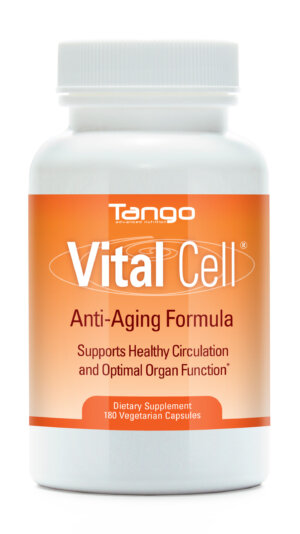
Vital Cell, 180 Capsules
Anti-Aging Support
 Circulation Support, Energy & Vitality Support, Heart & Cardiovascular Support, Metabolic Support
Vital Cell, 180 Capsules
Anti-Aging Support
Anti-Aging, Thymus and Circulation Support
- Vital Cell® is a proprietary blend of herbal extracts formulated to support overall strength, wellness and healthy blood flow.
- The formula has been shown to exert a positive effect on blood, supporting healthy oxygen uptake and delivery.
- In addition to benefits in microcirculation, Vital Cell® has been shown to help with certain age-related issues, as well as helping to maintain and support healthy immune response.
- Traditional herbal remedies like Vital Cell® are known to confer a wide range of anti-aging and immuno-supportive health benefits by supporting:
- Healthy circulation
- Immune system response
- Organ function
- Microcirculatory performance
- Especially Suited for Elderly & Athletes
- Read more here: Rejuvenating, Anti-Aging Benefits of Vital Cell Herbal Formula
SKU: VC180 -
Digestion & G.I. Tract Support, Metabolic Support, Vision Support
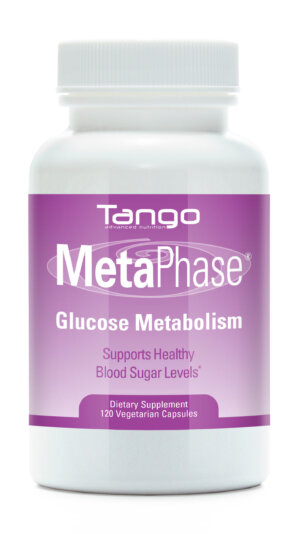
MetaPhase, 120 Capsules
Metabolic Support
Digestion & G.I. Tract Support, Metabolic Support, Vision SupportMetaPhase, 120 Capsules
Metabolic Support
Metabolic Support Formula
- MetaPhase® is a unique, all-natural herbal supplement designed to support and maintain healthy blood sugar levels already within the normal range.*
- The proprietary blend of herbal extracts contained in MetaPhase has also been shown to support:
-
- Healthy pancreatic function
- Glucose metabolism
- Energy production
- MetaPhase may also assist those looking for help in controlling food cravings, particularly for hard-to-resist carbohydrates.*
SKU: MP120
Leave feedback about this